
One trend I have noticed in business, politics, and society is the growing tendency to view disagreement as opposition. If someone has a different opinion, asks a difficult question, or offers an alternative perspective, it is sometimes interpreted as disloyalty, resistance, or being “against” someone.
But when did having a different opinion become a threat?
Some of the most meaningful friendships, partnerships, and professional relationships I have experienced have involved people who did not always agree with me. In fact, many of those relationships became stronger because we were able to challenge each other’s thinking while maintaining mutual respect. Somewhere along the way, it feels like we have started confusing disagreement with rejection.
The reality is that I can disagree with your idea and still respect you. I can challenge your proposal and still support your success. I can vote differently than you, approach a problem differently, or see the world differently than you, and still consider you a friend.
Disagreement does not have to create division. In many cases, it is exactly what helps us grow.
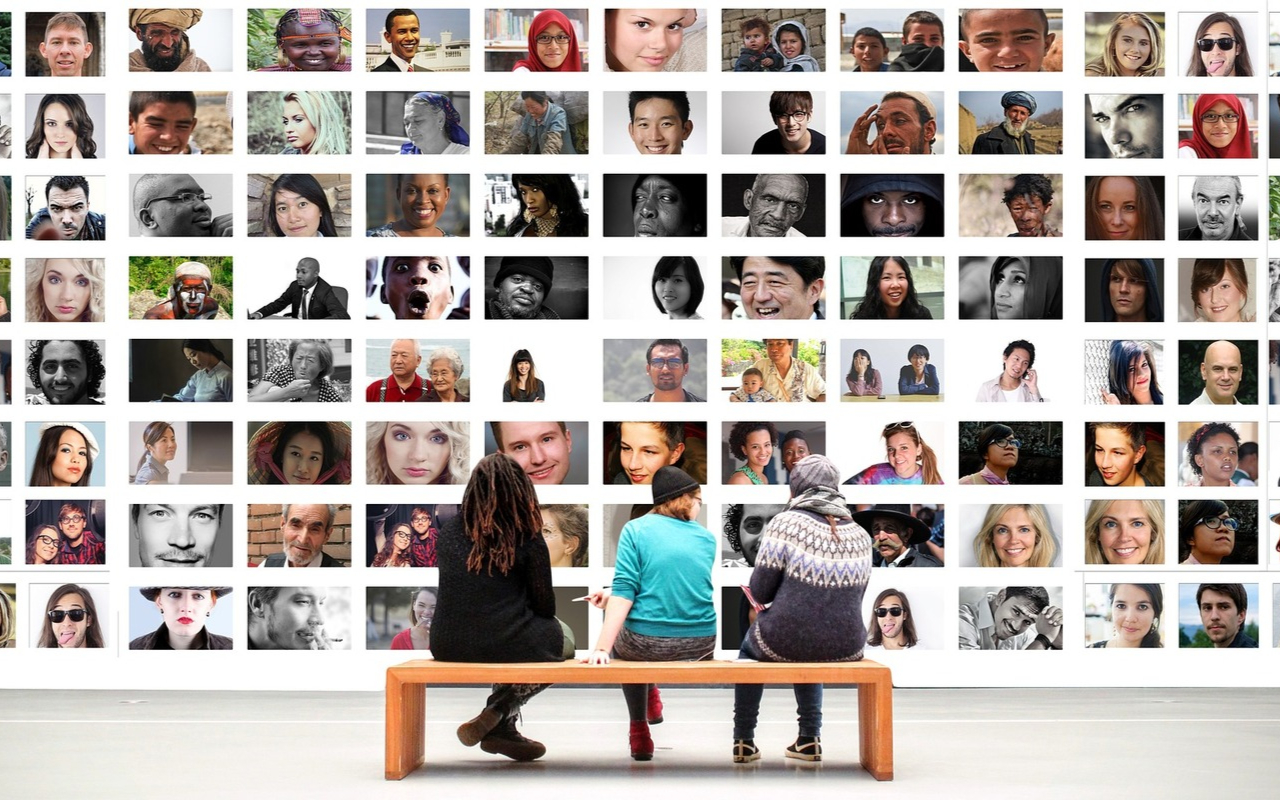
Diversity is often discussed in terms of culture, background, age, gender, or experience. These forms of diversity matter greatly. However, there is another form of diversity that is equally important and often overlooked: diversity of thought.
Innovation rarely comes from a room where everyone thinks exactly the same way. Progress rarely comes from people who never challenge assumptions.
Strong businesses, strong communities, and strong countries are built when people feel safe expressing different perspectives without fear of exclusion, retaliation, or judgment.
The most effective leaders understand this. They do not surround themselves with people who simply agree with everything they say. They seek people who bring different viewpoints, different expertise, and different experiences to the table.
Why?
Because leaders who only hear agreement eventually stop hearing the truth. The strongest leaders are not threatened by different opinions. They are curious about them.
Instead of asking: “How do I get everyone to agree with me?”, they ask: “What might I be missing?”
That simple shift creates an entirely different culture. It creates curiosity instead of defensiveness. Learning instead of ego. Collaboration instead of control.
Unfortunately, I have also witnessed situations where leaders become upset when challenged. Rather than encouraging healthy debate, they exclude voices, dismiss concerns, or retaliate against those who think differently.
The result is often silence. People stop sharing ideas. They stop asking questions. They stop identifying risks. Eventually, organizations lose one of their greatest assets: honest feedback.
A team that is afraid to disagree is not a strong team. It is a quiet team. And there is a difference. True collaboration does not require unanimous agreement. It requires mutual respect.
Freedom of expression was never meant to guarantee that everyone would think alike. It exists because different perspectives matter. The goal is not to eliminate disagreement but to learn how to navigate it constructively.
Perhaps we need to replace the mindset of:
“My way is the only way.” With: “My way is one way. What other possibilities should we consider?”
That single sentence leaves room for dialogue, creativity, and growth. It acknowledges that none of us possess all the answers. It reminds us that wisdom can come from unexpected places. It recognizes that every person brings something valuable to the conversation.
The true test of leadership is not how we behave when everyone agrees with us. It is how we respond when they do not.
Can we remain respectful? Can we remain curious? Can we listen without becoming defensive? Can we separate disagreement from personal rejection?
Because at the end of the day, diversity of opinion is not a weakness. It is one of the greatest strengths any business, community, or country can possess.
When people feel safe bringing different ideas to the table, we do not become divided. We become stronger.
Not because we all think alike, but because we are willing to learn from one another.
Perhaps that is what real leadership looks like: creating environments where people can think differently, speak honestly, challenge respectfully, and still walk away as colleagues, partners, and friends.
Leadership is a privilege, and diversity of opinion is what makes leadership stronger.